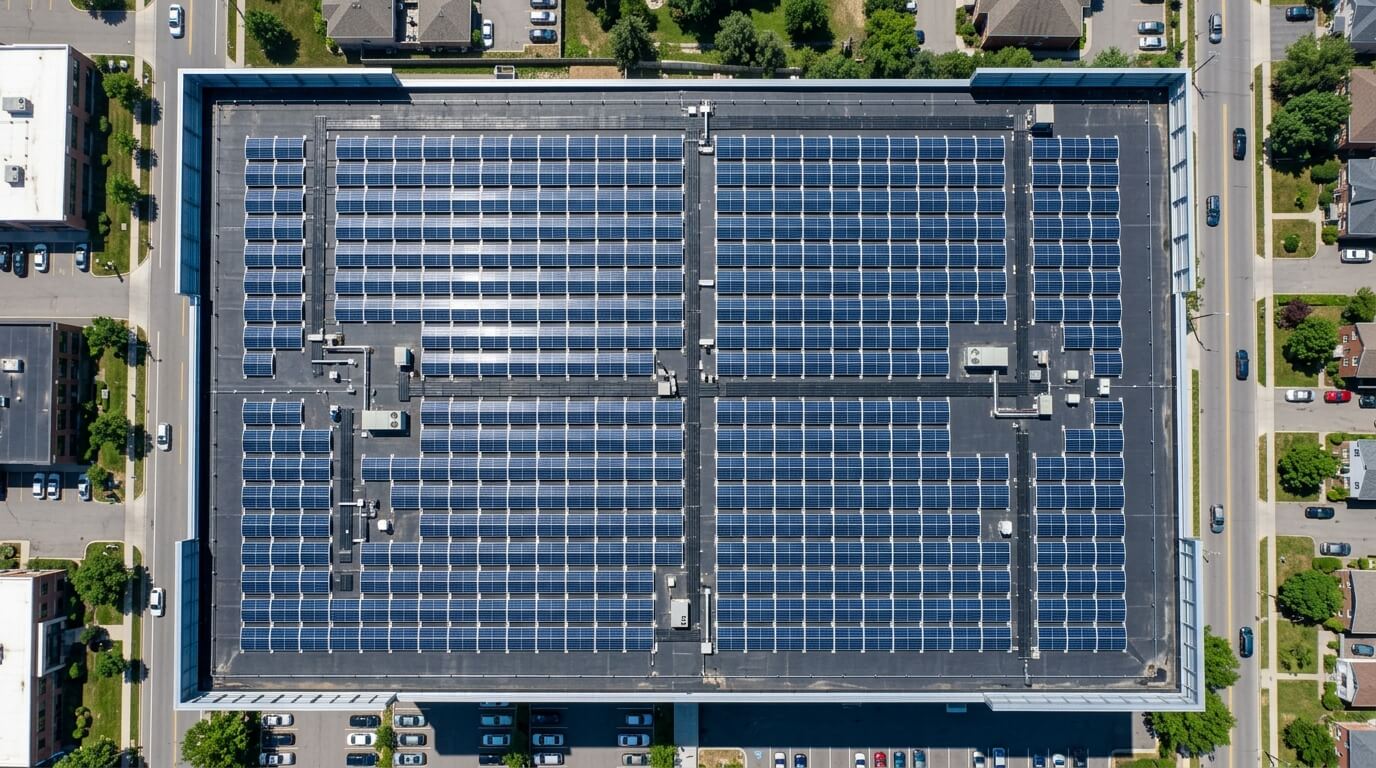
Solar panel rooftop top view

Solar ATAP vs SELCO Malaysia: Which Solar Programme Should You Choose in 2026?

Key Takeaways

  1. Solar ATAP Malaysia allows energy export to the grid, while SELCO is strictly for self-consumption. ATAP is generally more flexible for homes and businesses with varying daytime energy usage, whereas SELCO focuses on consuming all generated solar energy internally.
  2. Solar ATAP replaced NEM starting 1 January 2026. The new programme continues Malaysia’s rooftop solar transition with updated export credit mechanisms and revised system sizing rules.
  3. The right programme depends on your electricity usage profile, property type and long-term ROI goals. Residential users may benefit from export flexibility under Solar ATAP, while factories and businesses with strong daytime loads may still find SELCO solar highly effective.

Should you choose Solar ATAP or SELCO for your solar installation in Malaysia in 2026?

As Malaysia’s rooftop solar policies evolve after the end of Net Energy Metering (NEM), homeowners and businesses are now comparing two major solar mechanisms: Solar Accelerated Transition Action Programme (Solar ATAP) and Self-Consumption (SELCO).

Both programmes support solar energy adoption in Malaysia, but they operate differently. Solar ATAP Malaysia allows consumers to use solar electricity while exporting excess energy back to the grid under a regulated offset mechanism. SELCO solar, on the other hand, is designed strictly for internal energy usage without exporting surplus electricity to TNB.

For many property owners, the confusion comes from understanding:

  • Which programme offers better savings?
  • Can excess electricity be exported?
  • Which scheme is more suitable for homes, factories or commercial buildings?
  • What changed after NEM ended?
  • Should you install solar under Solar ATAP or stay with SELCO?

This guide explains the differences between solar atap malaysia and selco solar, including system design, export rules, cost considerations, eligibility and practical recommendations for residential and commercial users in 2026.

What Is Solar ATAP Malaysia?

Solar ATAP stands for Solar Accelerated Transition Action Programme, Malaysia’s new rooftop solar framework introduced starting 1 January 2026 after the conclusion of NEM 3.0 in June 2025.

The programme was introduced to continue encouraging rooftop solar adoption while transitioning toward a more flexible and market-oriented energy ecosystem.

Under Solar ATAP:

  • Consumers generate electricity using rooftop solar PV systems.
  • Solar electricity is first used for self-consumption.
  • Excess electricity can be exported to the grid.
  • Exported energy receives energy-offset treatment based on the programme structure.
  • Residential and commercial users can participate subject to guidelines and technical requirements.

Unlike the previous NEM mechanism, Solar ATAP focuses more strongly on:

  • self-consumption,
  • realistic system sizing,
  • grid sustainability,
  • and market-based export structures.

What Is SELCO Solar?

SELCO stands for Self-Consumption. It is a solar framework where all electricity generated by the solar PV system is consumed internally within the property. Excess energy is not allowed to flow back into the utility grid.

In simple terms:

  • Solar electricity is generated and used immediately.
  • No export credit is provided.
  • Surplus generation must be controlled or curtailed.
  • The system is designed around internal energy demand.

SELCO Malaysia is commonly used by:

  • factories,
  • warehouses,
  • manufacturing facilities,
  • office buildings,
  • and businesses with strong daytime electricity usage.

The Energy Commission and SEDA continue maintaining SELCO guidelines for solar PV installation and operation.

Read more: Learn how solar self-consumption works in Malaysia.

Solar ATAP vs SELCO: What Is the Main Difference?

The biggest difference between Solar ATAP Malaysia and SELCO solar is how excess electricity is treated.

Feature

Solar ATAP Malaysia

SELCO Solar

Export excess electricity to grid

Yes

No

Main purpose

Self-consumption + export offset

Strict self-consumption

Suitable for homes

Yes

Yes

Suitable for factories

Yes

Yes

Export credits

Allowed

Not allowed

System design approach

Balance self-use and export

Match internal load only

Grid interaction

Connected with export mechanism

Zero-export arrangement

Flexibility

Higher

More controlled

Focus

Energy optimisation

Internal consumption efficiency

Why Did Malaysia Replace NEM with Solar ATAP?

Malaysia’s rooftop solar market evolved significantly under NEM 3.0, but policymakers gradually shifted toward a more sustainable and system-oriented approach.

Solar ATAP was introduced to:

  • reduce dependence on quota-based incentives,
  • encourage smarter energy usage,
  • improve fairness in grid cost recovery,
  • support larger rooftop solar adoption,
  • and align Malaysia’s renewable energy transition goals.

According to SEDA Malaysia, Solar ATAP maintains the core principle of allowing excess solar energy export while introducing updated mechanisms designed to be more attractive and sustainable than earlier programmes.

This means the future of rooftop solar in Malaysia is increasingly centred on:

  • self-consumption optimisation,
  • energy management,
  • smart sizing,
  • and storage integration.

How Does Solar ATAP Work?

Under Solar ATAP Malaysia:

  1. Solar panels generate electricity during the day.
  2. Your property consumes the generated electricity first.
  3. Excess electricity may be exported to the grid.
  4. Exported energy receives energy-offset treatment under programme rules.

This structure benefits users who:

  • have fluctuating daytime usage,
  • cannot fully consume all generated electricity,
  • or want more flexibility in system sizing.

Solar ATAP also generally allows:

  • installation capacity up to 100% of maximum demand,
  • or up to 1MW for eligible users.

How Does SELCO Work?

SELCO operates differently because the system is designed for internal consumption only.

Under SELCO:

  1. Solar electricity is generated.
  2. Electricity is consumed immediately within the premises.
  3. No excess electricity should flow back into the grid.
  4. System sizing is carefully matched to daytime load requirements.

This makes SELCO particularly suitable for:

  • factories running daytime operations,
  • warehouses,
  • manufacturing plants,
  • commercial buildings with predictable daytime loads.

Because export is not allowed, the installer must carefully size the system to minimise wasted generation.

Which Is Better for Residential Homes?

For many homeowners in 2026, Solar ATAP Malaysia may offer greater flexibility than SELCO.

Solar ATAP Advantages for Homes

  • Export capability for excess electricity
  • Better flexibility during low daytime usage
  • Suitable for households with changing consumption patterns
  • More adaptable for future energy usage changes
  • Potentially better long-term optimisation

Explore this guide to the Atap Solar Programme for homeowners.

SELCO Advantages for Homes

  • Simpler zero-export setup
  • Useful for homes with strong daytime usage
  • Can reduce dependency on exported electricity structures
  • Straightforward self-consumption model

Residential Recommendation

For most landed homeowners:

  • Solar ATAP is generally more flexible.
  • SELCO works better if daytime usage consistently matches solar production.

Which Is Better for Commercial and Industrial Buildings?

Commercial and industrial users often analyse solar differently from residential users.

Businesses care about:

  • ROI,
  • operational continuity,
  • load matching,
  • tariff structures,
  • and system optimisation.

Solar ATAP for Commercial Users

Solar ATAP may work well for:

  • office buildings,
  • mixed-use developments,
  • retail properties,
  • commercial buildings with variable load profiles.

Advantages include:

  • export flexibility,
  • larger allowable system sizing,
  • and better utilisation of rooftop generation.

SELCO for Commercial Users

SELCO remains highly effective for:

  • factories,
  • production facilities,
  • logistics hubs,
  • and buildings with stable daytime electricity demand.

If a business consumes most solar energy internally during operating hours, SELCO can still produce strong savings.

Solar ATAP vs SELCO: Cost and ROI Comparison

The installation cost of both systems depends on:

  • system size,
  • roof type,
  • inverter configuration,
  • electrical infrastructure,
  • export requirements,
  • and monitoring systems.

However, ROI differs because the mechanisms differ.

Factor

Solar ATAP

SELCO

Export benefit

Yes

No

Focus on daytime load matching

Moderate

Very high

Flexibility

Higher

Lower

Potential system oversizing

More manageable

Less suitable

ROI strategy

Self-use + export optimisation

Pure self-use savings

Best for

Mixed load profiles

Stable daytime loads

Is Battery Storage Needed? BESS Battery Storage Considerations

Battery storage is becoming more important in Malaysia’s rooftop solar market.

Under Solar ATAP:

  • batteries may improve self-consumption,
  • reduce export dependency,
  • and optimise energy usage patterns.

Under SELCO:

  • batteries may help store unused daytime solar energy,
  • especially when export is restricted.

Recent SELCO guideline discussions also indicate additional battery-related considerations for larger systems.

For commercial systems, battery integration may become increasingly relevant as Malaysia’s energy market evolves.

Read more: Discover how solar + BESS can optimize your industrial energy usage.

Common Mistakes When Choosing Between Solar ATAP and SELCO

Avoid these common mistakes:

  • Choosing the programme based only on marketing claims
  • Oversizing the system unnecessarily
  • Ignoring daytime usage patterns
  • Focusing only on upfront cost
  • Not understanding export limitations
  • Assuming all solar systems work the same way
  • Ignoring future operational changes
  • Not checking latest regulatory guidelines

Solar performance depends heavily on proper system design and realistic energy modelling.

Which Solar Programme Should You Choose in 2026?

There is no one-size-fits-all answer.

Choose Solar ATAP Malaysia if:

  • you want export flexibility,
  • your daytime usage fluctuates,
  • you want more future flexibility,
  • or you prefer a more adaptable rooftop solar structure.

Choose SELCO if:

  • your property consistently consumes electricity during daytime,
  • you operate a factory or commercial facility with stable daytime loads,
  • or you want a strict self-consumption strategy.

For many users in 2026, the decision will ultimately depend on:

  • load profile,
  • building type,
  • operational hours,
  • and long-term energy planning.

Conclusion

Malaysia’s rooftop solar market has evolved with the transition from NEM to Solar ATAP, while SELCO solar continues to remain relevant for self-consumption setups. 

Although both programmes support renewable energy adoption, they are designed for different energy usage needs and operating models.

Solar ATAP Malaysia offers more flexibility through self-consumption and energy export mechanisms, while SELCO is better suited for properties with stable daytime electricity usage. The right solar programme depends on your energy consumption pattern, operational requirements and long-term goals. Before making a decision, it is important to evaluate your TNB bills, roof suitability and overall energy usage carefully.

If you are considering rooftop solar for your home, office, factory or commercial property, RayGoSolar provides professional consultation, system design and solar installation support tailored to your property requirements. 

Contact RayGoSolar today to explore whether Solar ATAP or SELCO is the right solution for your energy goals.